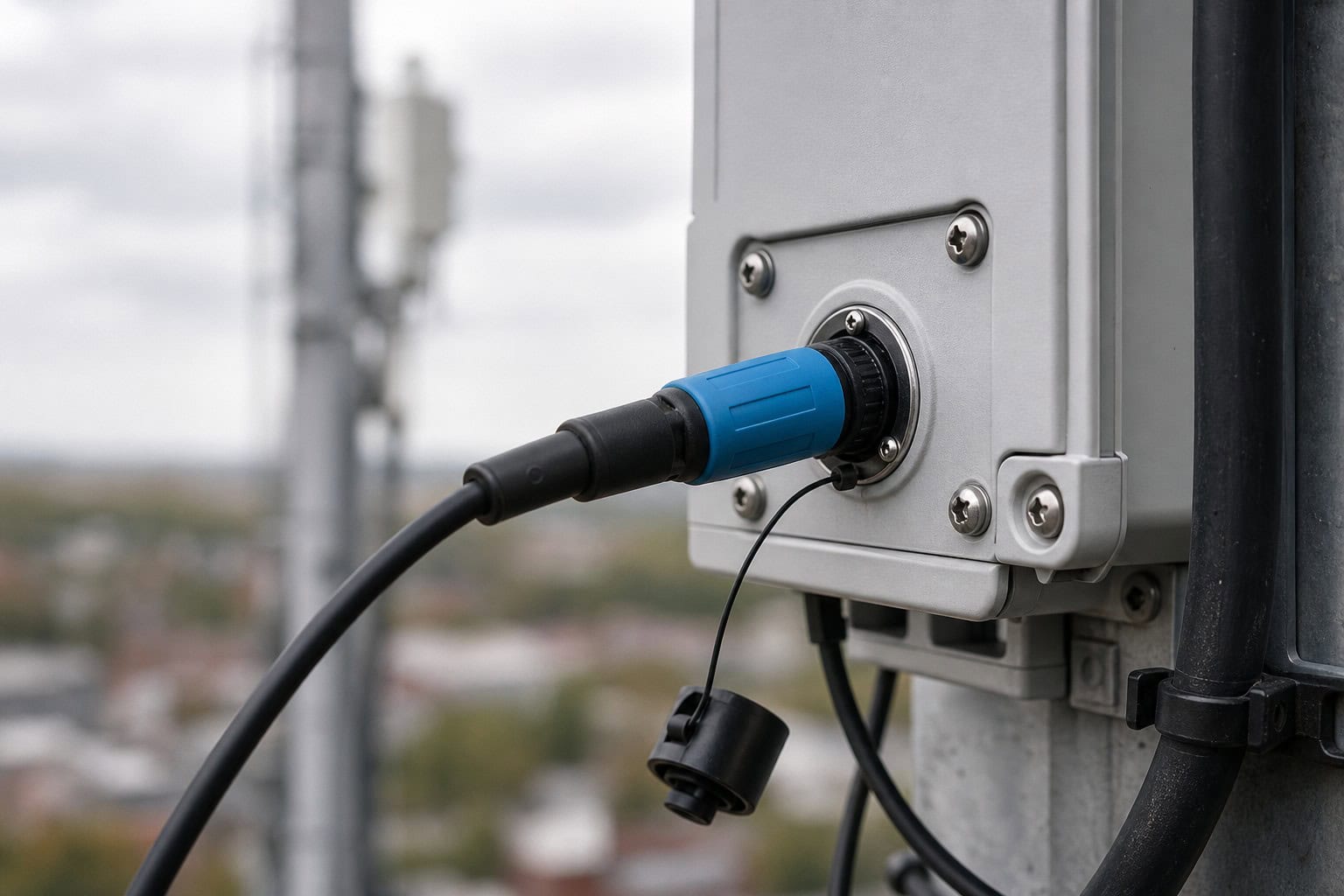
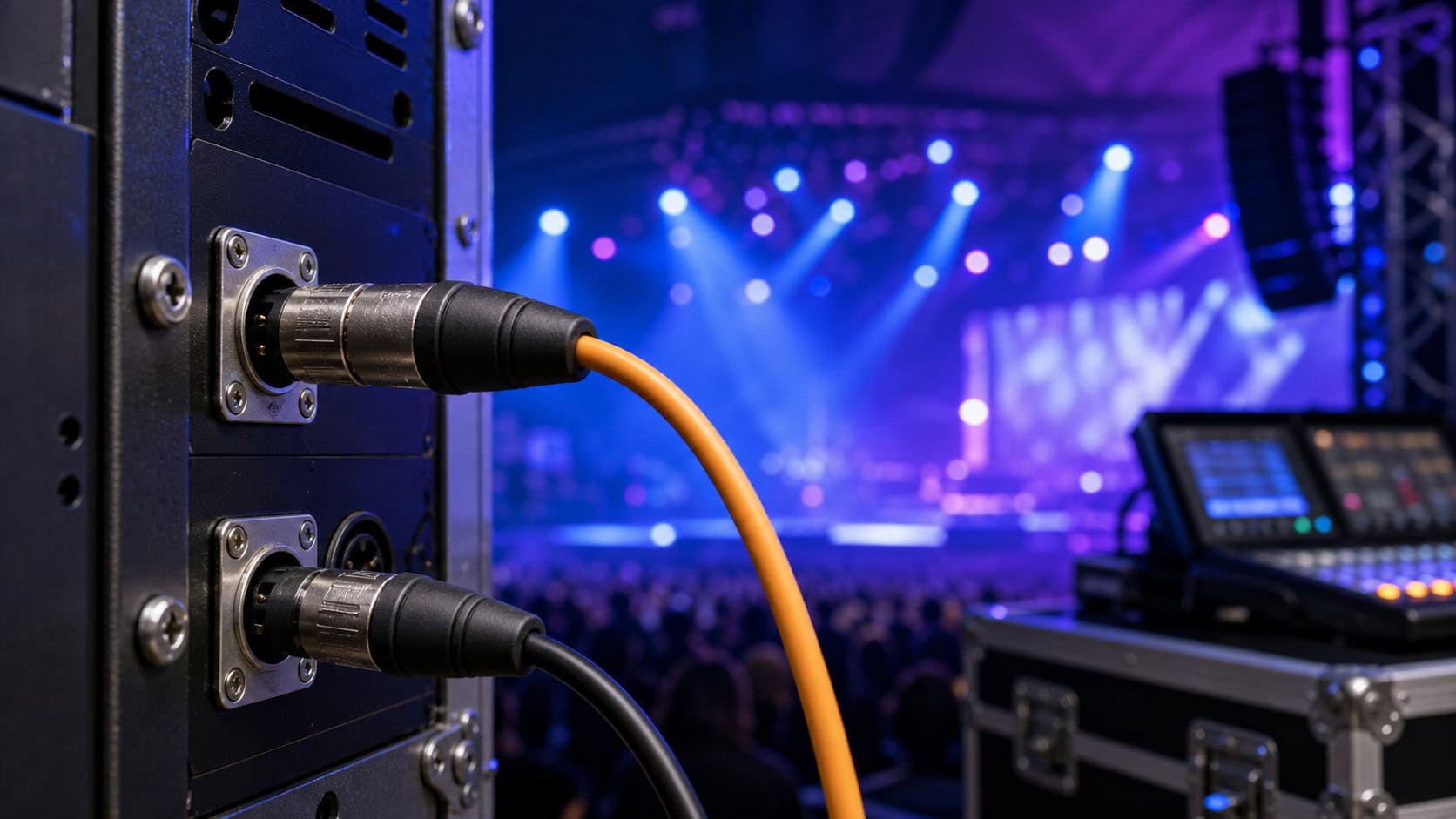
Connector corrosion is a major problem. When electrical connectors corrode, they lose their ability to conduct electricity properly, leading to equipment failures, costly downtime, and expensive repairs. This is especially critical in industries like aviation and industrial control systems.
In this post, we’ll explain why connectors corrode, show you how to fix corroded connectors, and share practical strategies to prevent corrosion in the future.
What Is Corrosion And Why Does Corrosion Occur
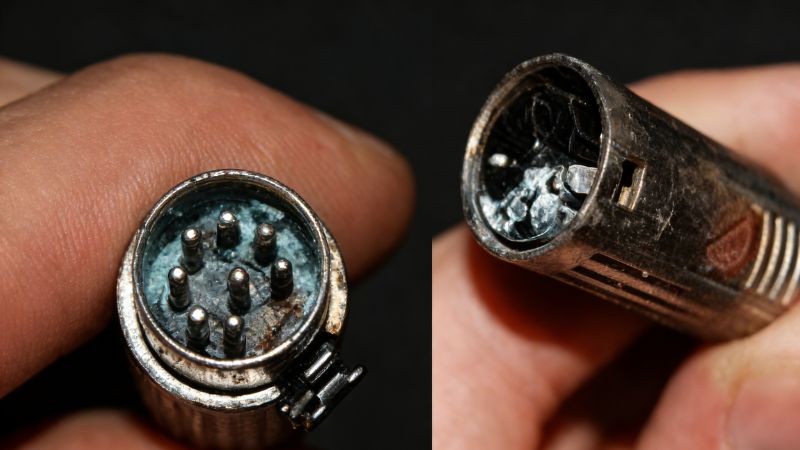
Corrosion degrades connector metal and contact surfaces through chemical and electrochemical reactions. Two main causes are environmental agents that provide an electrolyte and material interactions that create electrical potential differences.
Environmental Assault
- Moisture Ingres: Humidity, condensation from thermal cycling, or direct splash provides the base liquid.
- Contaminant Acceleration: Airborne salts (road, marine), industrial sulfides, acids, or even dust that absorbs moisture dramatically increases the electrolyte’s conductivity, accelerating corrosion even at low voltages.
- The Micro-Environment: Vibration and thermal expansion/contraction create micro-movements (fretting) that wear away protective platings and trap contaminants in crevices, creating localized, highly aggressive environments where corrosion initiates.
The Chemistry Of Contact: Material Incompatibility & Galvanic Series
- The Galvanic Series: When two different metals are electrically connected in the presence of an electrolyte, the metal higher in the galvanic series (less noble, like Aluminum) becomes the anode and corrodes sacrificially to protect the more noble metal (like Gold).
- Plating is Critical: Most connectors use plating over a base metal. The choice and quality of plating determine performance.
- Voltage & Current Matter: Higher voltages and currents can accelerate electrochemical reactions, but even low-energy signal circuits can fail due to non-conductive oxide layers forming.
4 Types Of Connector Corrosion
You’ll most often encounter two broad categories: oxidation and galvanic corrosion. Oxidation forms when a metal reacts with oxygen or moisture, creating non-conductive films that raise contact resistance and cause intermittent signals.
Galvanic Corrosion
- Appearance: Preferential, often severe deterioration of the less noble (anodic) metal. The more noble metal remains intact. You might see one terminal heavily corroded while its mating pin looks clean.
- Root Cause: Electrical potential difference between dissimilar metals + electrolyte.
- Typical Scenario: Aluminum chassis connector mated with tin-plated brass terminals; Copper wire crimped to a gold-plated contact.
Fretting Corrosion
- Appearance: A dark, abrasive powder (oxidized wear debris) at the contact interface. Leads to highly erratic, increasing contact resistance and electrical noise.
- Root Cause: Micron-level vibrational or thermal movement wears through the protective plating, exposing base metal which oxidizes. This hard oxide debris then causes abrasive wear.
- Typical Scenario: Connectors in vehicles, aircraft, rolling stock, or any equipment subject to vibration.
Crevice & Pitting Corrosion
- Appearance: Localized, severe attack often under seals, gaskets, insulation, or debris. Manifests as deep pits or corrosion “starting from the inside out” under plating.
- Root Cause: An oxygen concentration cell. The area inside the crevice becomes oxygen-depleted, turning anodic relative to the oxygen-rich exterior, creating aggressive localized corrosion.
- Typical Scenario: Connectors with worn-out or compromised seals, or where contaminant packs into a gap.
Oxidative Corrosion / Tarnishing
- Appearance: A relatively uniform film or discoloration across the contact surface (e.g., green patina on copper, black oxide on silver, dull gray on tin).
- Root Cause: Direct chemical reaction of the metal with oxygen, sulfur, or other atmospheric agents.
- Typical Scenario: Non-noble or poorly plated contacts exposed to humid, polluted, or industrial atmospheres without protection.
How To Remove Corrosion From Connector
- Preparation: Disconnect power and remove the connector from the device or harness. Work in a well-lit area and keep small parts organized. Inspect the connector. If the housing or terminals are cracked, bent, or deeply pitted, replace the connector instead of cleaning.
- Basic Cleaning:
Use an electrical contact cleaner spray to dissolve light corrosion and oils. Spray each mating surface briefly and allow it to evaporate naturally.
For stubborn oxidation, gently scrub pins with a nylon brush, toothbrush, or small brass brush—avoid steel brushes on soft metals to prevent additional damage. - Detailed Cleaning:
For tight crevices, use cotton swabs or a dental pick to carefully dislodge deposits.
If corrosion is heavy, prepare a mild baking soda paste (baking soda + water) to neutralize acid corrosion. Apply the paste, wait briefly, rinse with clean water, and dry thoroughly (only use water if complete drying can be guaranteed). - Drying Process: After cleaning, dry the connector completely with compressed air or a heat gun on the low setting (maintain a safe distance to avoid melting components).
- Corrosion Protection: Apply a thin, even layer of dielectric grease to the terminals to repel moisture and slow future corrosion—do not apply grease between mating surfaces as it may impede contact.
- Post-Cleaning Inspection & Replacement: If terminals still exhibit high resistance or intermittent contact after cleaning, replace the terminal or the entire connector. Use proper crimping tools and heat-shrink seals to restore a reliable, weatherproof connection.
How To Prevent Electronic Connector Corrosion
Be proactive. Integrate these strategies at each stage of your product’s life.
Prevention at the Design & Specification Stage
- Material Selection: Choose connector families with compatible, corrosion-resistant materials. Specify plating appropriate for the environment (see table above). Favor nickel under-plating.
- Connector Choice: Select connectors with adequate IP (Ingress Protection) ratings (e.g., IP67, IP69K) for the environment. Prefer connectors with robust secondary locking mechanisms and integrated silicone seals.
- System Design: Orient connectors to avoid water traps. Design enclosures with drip loops, drainage, and breathable vents if condensation is a risk.
Prevention During Assembly & Installation
- Handling: Follow ESD and moisture-sensitive component handling procedures. Never touch contact surfaces with bare fingers.
- Termination: Use proper, calibrated crimping or soldering tools to ensure gas-tight connections that won’t allow wicking of contaminants.
- Sealing: Apply heat-shrink tubing with sealant, use correct gland fittings for cable entries, and ensure all gaskets and boots are properly seated. Apply dielectric grease to seals to improve their effectiveness.
Prevention Through Operational Maintenance
- Scheduled Inspections: Integrate connector inspection into preventive maintenance schedules. Look for signs of seal degradation, moisture ingress, or early discoloration.
- Condition Monitoring: Use infrared thermography to scan electrical panels for “hot spots” at connectors, a tell-tale sign of high resistance due to corrosion.
- Environmental Control: In sealed cabinets, use desiccant breathers, protective coatings (conformal coating), or controlled heating to keep relative humidity low.
Conclusion
Think of managing connector corrosion not as a single task, but as implementing a multi-layered defense strategy. The first layer is intelligent material selection and design, creating an inherently robust foundation. The second is meticulous assembly and sealing, ensuring the design‘s potential is realized. The final, ongoing layer is proactive monitoring and maintenance, which catches issues before they escalate into failures.
Secure Your Connection with Seetrinic
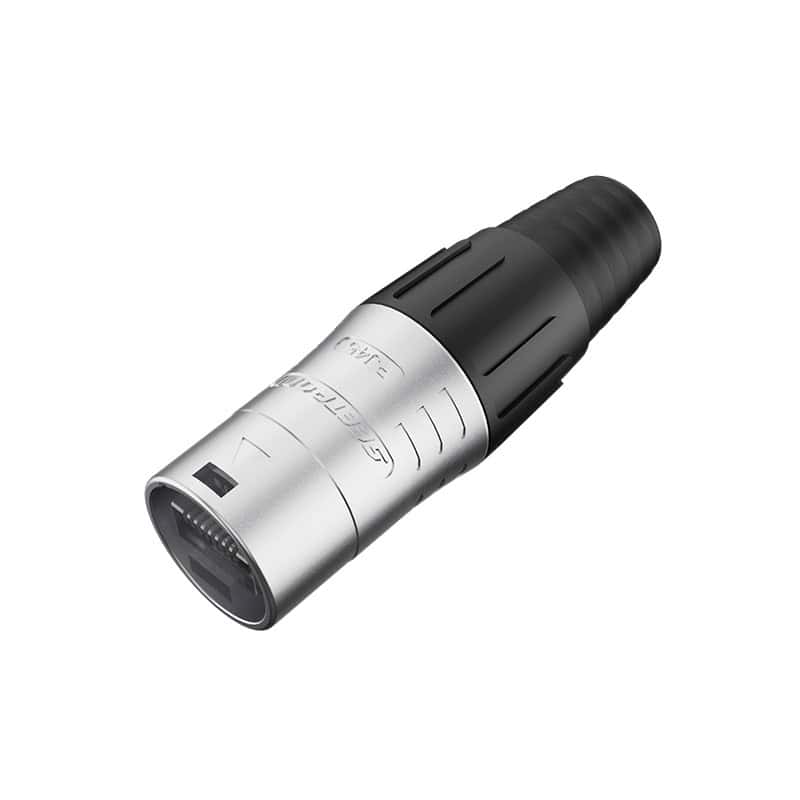
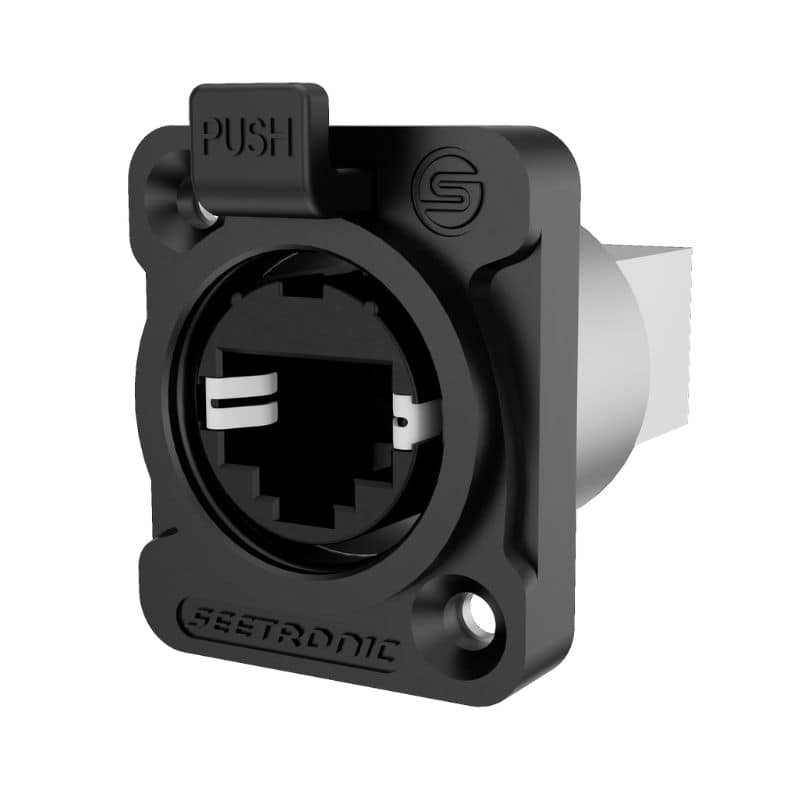
Don’t let silent corrosion compromise your mission-critical systems. Seetronic provides the ultimate defense with our professional-grade, IP-rated connectorsEngineered with superior plating and robust silicone seals, our Power, XLR, and Data series are built to withstand the harshest environmental assaults. By choosing Seetronic, you can secure your audio, lighting, and industrial networks with a multi-layered defense strategy that delivers long-term reliability through intelligent material selection and gas-tight terminations.
Upgrade to Seetronic’s ruggedized technology and keep your signal flawless. Explore our full range of corrosion-resistant solutions and contact us today for more information.