What Is Connector Manufacturing?
Connector manufacturing is the process of designing and producing electrical connectors used for power, signal, and data transmission.
It combines engineering design, material science, and precision manufacturing to ensure stable and reliable electrical performance.
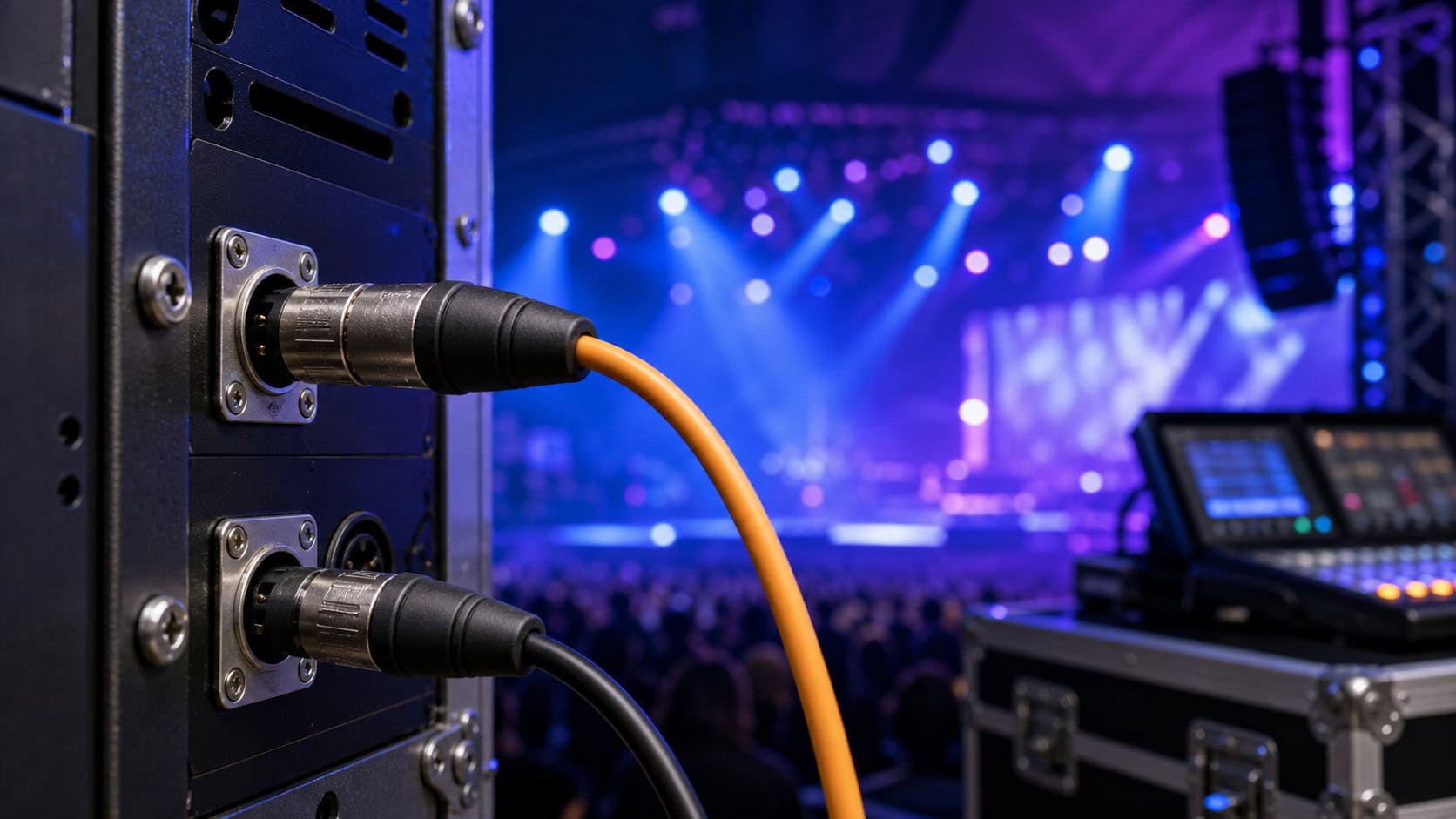
Connectors are widely used in:
- Professional audio systems
- Stage lighting systems
- Broadcast equipment
- Industrial automation
Although connectors look simple, their performance depends heavily on manufacturing quality.
What Determines Connector Quality?
Connector quality is determined by engineering design and manufacturing control.
1. Material Selection
Materials determine the physical strength, conductivity, corrosion resistance, and long-term stability of a connector. Poor material selection can lead to oxidation, mechanical failure, or unstable electrical performance over time.
2. Manufacturing Precision
Connectors require extremely tight tolerances. Even small deviations in contact geometry can affect signal integrity or lead to inconsistent mating performance.
3. Surface Treatment and Plating
Contact surfaces are typically plated with materials such as gold, silver, or nickel. The choice of plating affects conductivity, corrosion resistance, and mating lifecycle.
4. Assembly Consistency
Even if components are well-designed, inconsistent assembly can lead to variation in product performance. Automation and standardized assembly processes help ensure uniform quality.
5. Quality Control and Testing
Each stage of production must be monitored through inspection and testing. Electrical, mechanical, and environmental tests ensure that connectors perform reliably under different operating conditions.
Together, these factors define whether a connector is suitable for consumer-grade applications or professional industrial use.
Key Stages of the Connector Manufacturing Process
Connector manufacturing involves multiple engineering and production stages. Each step contributes to the final performance and reliability of the product.
Material Selection
The manufacturing process begins with material selection. Conductive components are typically made from copper alloys due to their excellent electrical conductivity and mechanical strength. Depending on application requirements, different grades of copper alloys may be selected to balance conductivity and durability.
Housing materials are equally important. Engineering plastics such as polyamide or polycarbonate are commonly used due to their insulation properties and resistance to heat and mechanical stress. In demanding environments, metal housings may be used to enhance durability and shielding performance.
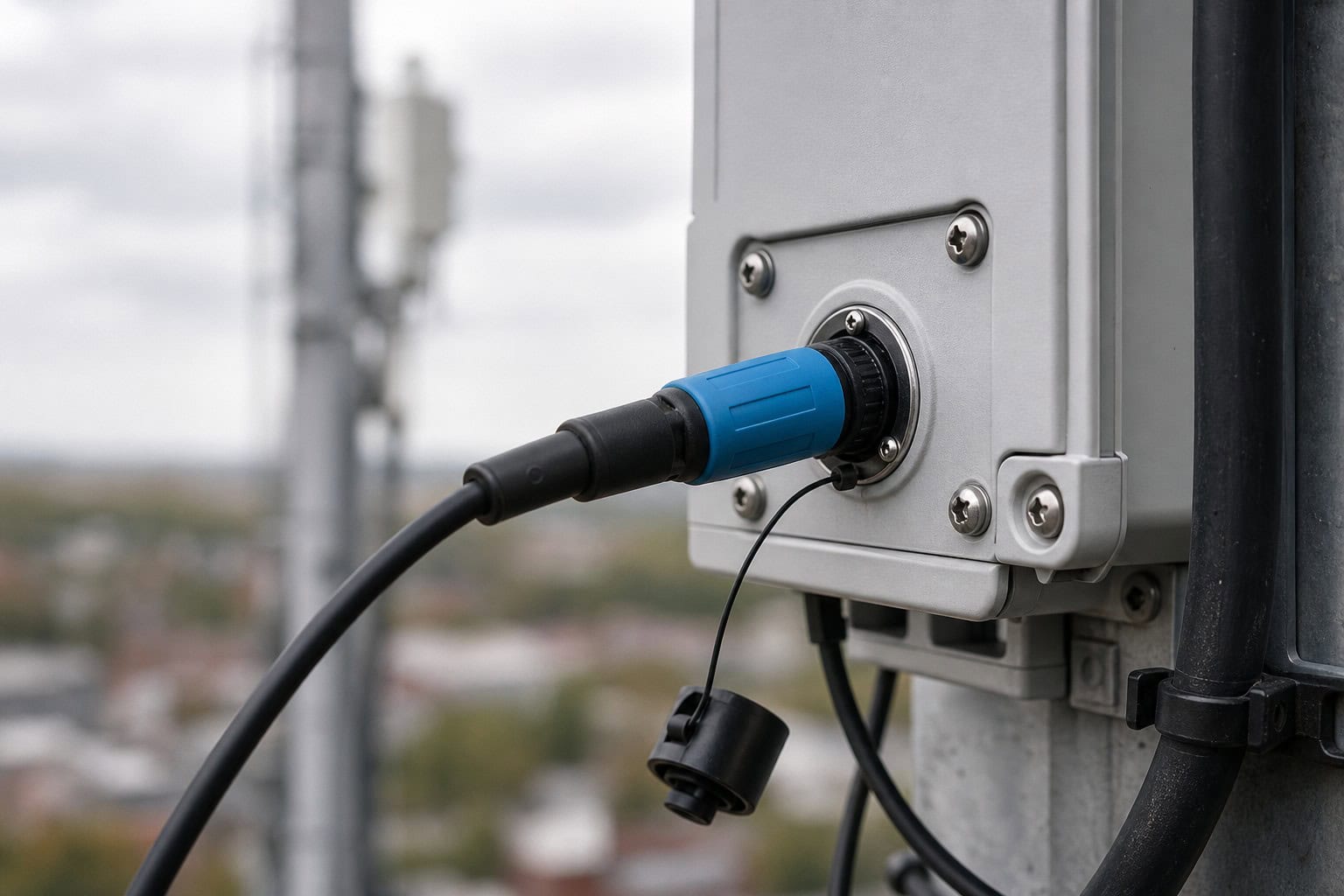
Material selection is not only a technical decision but also an application-driven one. For example, connectors used in outdoor stage lighting systems must withstand moisture, dust, and temperature fluctuations, while connectors used in studio environments prioritize signal stability and long service life.
Precision Manufacturing
Once materials are selected, precision manufacturing processes begin. These processes typically include machining, stamping, and injection molding.
Metal contact components are often produced through high-precision stamping or CNC machining. These methods ensure that contact geometry meets strict tolerances, which is essential for maintaining stable electrical performance.
Plastic housing components are produced using injection molding. The mold design must ensure dimensional accuracy and consistency across large production volumes.
Precision manufacturing is a key differentiator in connector quality. Even minor inconsistencies in dimensions can affect mating force, electrical resistance, or mechanical reliability.
Assembly Process
After individual components are manufactured, they are assembled into complete connector units. This stage requires careful alignment of contacts, housing components, and locking mechanisms.
In modern connector manufacturing, automation is often used to improve consistency and reduce human error. Automated assembly systems ensure that each connector follows the same assembly parameters, improving product uniformity across large batches.
However, manual processes may still be used in specific product lines or for specialized assembly requirements.
Proper assembly ensures that connectors maintain stable electrical contact, reliable locking performance, and consistent mechanical durability throughout their service life.
Surface Finishing and Plating
Surface treatment is a critical step in connector manufacturing, especially for contact components. Plating is used to enhance conductivity and prevent oxidation.
Gold plating is widely used in high-performance signal connectors such as XLR Connectors due to its excellent corrosion resistance and stable electrical properties. Silver plating may be used in high-current applications such as RJ45 Connectors due to its superior conductivity. Nickel plating is often applied as a protective layer to improve mechanical durability and corrosion resistance.
The thickness and uniformity of plating directly affect connector lifespan and performance stability. Poor plating quality can lead to increased contact resistance, signal degradation, or premature wear.
Quality Control and Reliability Testing
Quality control is integrated throughout the entire connector manufacturing process, rather than being limited to final inspection.
Electrical Testing
Electrical testing ensures that connectors meet required performance standards for conductivity and insulation. Key parameters include contact resistance, dielectric strength, and current carrying capacity.
Mechanical Testing
Mechanical tests evaluate the durability of connectors under repeated use. This includes plug-and-unplug cycle testing, insertion force measurement, and retention force testing.
Environmental Testing
Connectors used in industrial or outdoor environments must withstand harsh conditions. Environmental tests may include temperature cycling, humidity exposure, vibration testing, and salt spray testing for corrosion resistance.
Final Inspection
Before shipment, each batch undergoes final inspection to ensure dimensional accuracy, surface quality, and functional performance. Traceability systems are often used to track production batches and ensure quality accountability.
Through these layered testing processes, manufacturers can ensure consistent performance across large-scale production.
How to Evaluate a Connector Manufacturer
For procurement teams and system integrators, selecting the right connector manufacturer is as important as selecting the product itself.
Key evaluation criteria include:
| Evaluation Criteria | What to Look For | Why It Matters |
|---|---|---|
| Engineering Capability | In-house engineering teams with product design, customization, and continuous improvement capabilities | Enables innovation, faster customization, and long-term technical support |
| Manufacturing Infrastructure | Advanced CNC machining, precision molding, and automated assembly systems | Ensures consistent production quality, efficiency, and scalability |
| Quality Management System | International certifications and structured quality control processes | Demonstrates commitment to product reliability and compliance with global standards |
| Testing & Validation Capability | Comprehensive electrical, mechanical, and environmental testing | Verifies product performance and reliability before delivery |
| OEM/ODM Support | Flexible customization services for different applications and project requirements | Supports unique customer needs while reducing development time and supply chain risks |
Evaluating these factors helps reduce supply chain risks and ensures long-term product reliability.
Why Manufacturing Expertise Matters
Connector performance is not determined only by design. Manufacturing expertise plays an equally important role in ensuring long-term stability and reliability.
Experienced manufacturers are better able to control production consistency, optimize material usage, and maintain strict quality standards across large production volumes. This is particularly important in professional applications where connectors are exposed to repeated use, vibration, temperature variation, and environmental stress.
At Seetronic, connector manufacturing is built on a foundation of engineering-driven production, standardized quality control processes, and continuous testing. Every stage—from material selection to final inspection—is designed to ensure stable performance in demanding applications such as professional audio systems, stage lighting, broadcast equipment, and industrial installations.
By integrating engineering expertise with advanced manufacturing processes, it is possible to deliver connectors that meet the expectations of professional users worldwide.
FAQ
What is connector manufacturing?
Connector manufacturing is the process of producing electrical connectors for power, signal, and data transmission. It includes material selection, precision machining, assembly, and testing.
Why is manufacturing quality important for connectors?
Manufacturing quality directly affects reliability, durability, and electrical performance, especially in demanding industrial and professional environments.
What materials are used in connector manufacturing?
Connectors typically use copper alloys for contacts and engineering plastics or metal for housings to balance conductivity, strength, and durability.
How are connectors tested for reliability?
Connectors are tested through electrical, mechanical, and environmental testing such as contact resistance, lifecycle testing, vibration, and temperature cycling.