Every wired network, industrial control panel, and data center rack comes down to the same small component doing the real work: the RJ45 connector. It’s an 8-pin (8P8C) interface so standardized that most engineers never think twice about it — until a poorly made one causes signal loss, contact corrosion, or a failed connection in the field.
That’s the part that doesn’t get talked about enough. Not all RJ45 connectors are built the same, and not all manufacturers hold themselves to the same standards. Some cut corners on plating thickness or contact material to hit a lower price point; others engineer for 10G speeds, IP68 waterproofing, or 40-year mean-time-to-failure in industrial settings. Choosing the right manufacturer affects everything downstream — network uptime, signal integrity, and how often you’re troubleshooting a connection that should just work.
This guide breaks down the manufacturers actually worth knowing, what each one specializes in, and how to pick the right one for your application.
A Quickly Growing, Fairly Concentrated Market
Before diving into individual manufacturers, it helps to know the market they’re competing in. Estimates vary by research firm and product definition, but the key figures are consistent enough to work from:
| Metric | Figure | Source |
|---|---|---|
| Global market size (2025) | $1.8B–$4.2B (varies by definition) | GMInsights, Dataintelo |
| Market CAGR (2026–2032) | 3%–5% | Dataintelo |
| Waterproof RJ45 segment CAGR | ~9% | MarketResearch.com |
| TE Connectivity market share | 12%+ | GMInsights |
| Top 5 manufacturers’ combined share | ~35% | GMInsights |
| Shielded connectors’ share of market | ~42% | Dataintelo |
| Asia-Pacific share of global demand | ~38%–40% | Dataintelo, Transparency Market Research |
| China’s annual RJ45 shipment volume | 1.5B+ units | Industry estimates |
The takeaway: a handful of global giants control a little over a third of the market, while a long tail of specialized regional manufacturers compete hard on niches like waterproofing, custom OEM work, and industrial ruggedness. That’s exactly the split reflected in the list below.
Top RJ45 Connector Manufacturers at a Glance
| Manufacturer | Headquarters | Known For | Best Suited For |
|---|---|---|---|
| TE Connectivity | Schaffhausen, Switzerland | Broad catalog, PoE and high-speed variants | Enterprise networking, industrial automation |
| Amphenol | Wallingford, CT, USA | Rugged, mission-critical connectors | Military, aerospace, railway, harsh environments |
| Molex | Lisle, IL, USA | Precision engineering, high-density designs | Data centers, servers, telecom equipment |
| Seetronic | Ningbo, China | IP65 waterproof and D-shape panel-mount RJ45 | Pro AV, stage lighting, outdoor and industrial use |
| Hirose Electric | Tokyo, Japan | Compact, high-density connector designs | Space-constrained electronics, consumer devices |
| Panduit | Tinley Park, IL, USA | Structured cabling ecosystems | Enterprise data centers, building management |
| CommScope | Hickory, NC, USA | Network infrastructure at scale | Telecom carriers, large-scale cabling projects |
| Legrand | Limoges, France | Integrated, design-conscious cabling systems | Commercial buildings, residential, offices |
| Excellence Wire (EXW) | Taiwan | OEM/ODM structured cabling, Cat.8 and IP68 lines | Custom private-label cabling programs |
Now let’s look at what actually sets each of these apart.
1. TE Connectivity
TE Connectivity is the single largest player in this market, holding more than 12% of global RJ45 connector share on its own (GMInsights). Its RJ45 lineup — spanning Cat5e through Cat6A, with PoE and integrated-magnetics variants — reflects that scale. The company builds connectors under several product families (Alcoswitch, AMP-METRIMATE, AMPMODU, and others), giving buyers a wide range of profiles, port counts, and shielding options to choose from. It’s a common first stop for engineers designing enterprise networking or industrial automation equipment that needs to meet strict international standards.
2. Amphenol
Amphenol built its reputation on connectors that hold up in punishing environments — think vibration, temperature swings, dust, and moisture. As one of the manufacturers in the top five that together control roughly 35% of the global RJ45 market, its RJ45 line is popular with OEMs building for military, railway, and industrial automation applications where a loose or corroded connection isn’t an option. Amphenol also supports Cat6A and higher-speed variants, so it isn’t just a “rugged but basic” option — it competes on performance too.
3. Molex
Molex has a strong footprint in data centers, servers, and telecom infrastructure, where precision and consistency matter more than almost anything else. Its RJ45 connectors are engineered for tight tolerances and reliable high-speed transmission, and the company has invested heavily in automated, high-volume manufacturing to keep quality consistent at scale.
4. Seetronic
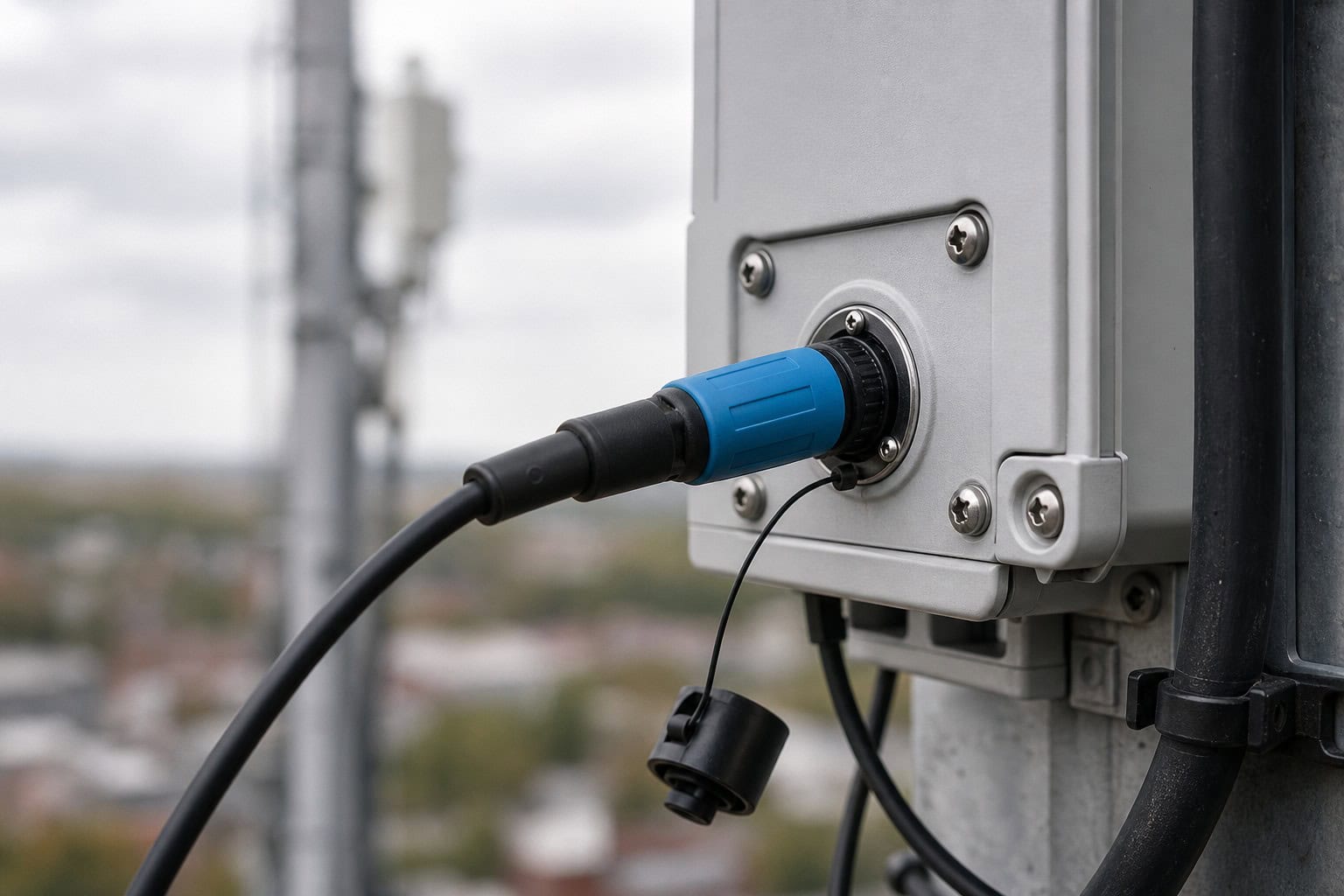
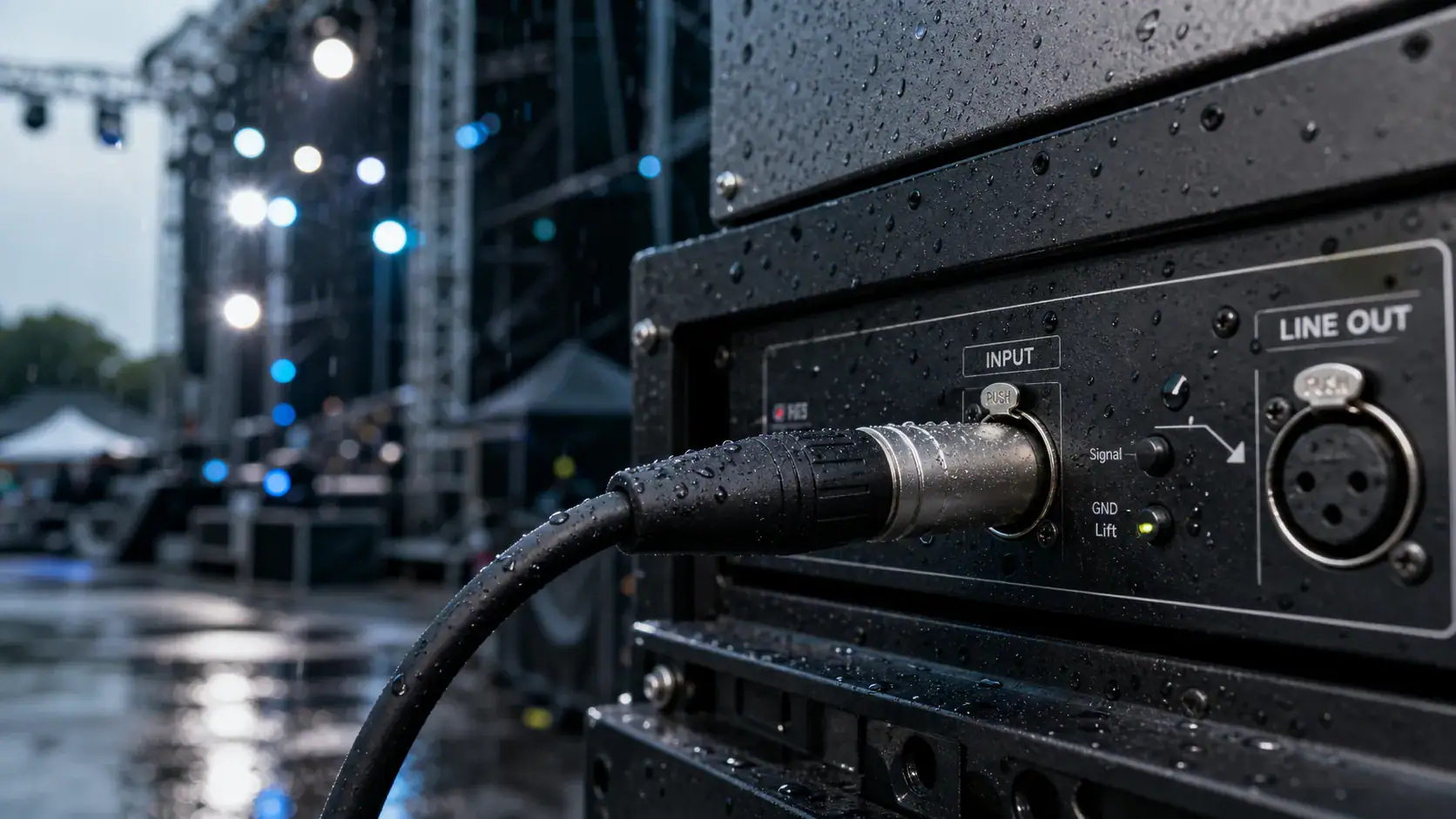
Seetronic (Ningbo Xichuangnike Electronic Technology Co., Ltd.) focuses on IP65-rated waterproof RJ45 connectors and D-shape panel-mount designs for outdoor and harsh-environment use — pro AV, stage lighting, live events, and industrial communications. It’s a strong niche play: waterproof RJ45 connectors are the fastest-growing segment in the market, at roughly 9% CAGR, nearly double the broader category’s growth rate.
5. Hirose Electric
Hirose is a Japanese connector specialist known for compact, high-density designs. Its RJ45 connectors show up frequently in space-constrained electronics — think embedded systems, compact networking hardware, and consumer devices — where a standard-sized connector footprint simply doesn’t fit the design.
6. Panduit
Panduit isn’t just a connector maker; it builds entire structured cabling ecosystems, from RJ45 jacks and patch panels to cable management systems, including shielded designs — a category that now accounts for roughly 42% of the global RJ45 market as EMC regulations tighten. That makes Panduit a natural fit for large enterprise data centers and building management projects where the RJ45 connector is just one piece of a much bigger, standardized cabling plan.
7. CommScope
CommScope operates at serious scale, supplying network infrastructure to telecom carriers and large cabling projects around the world. Its RJ45 connectors are built to work as part of broader structured cabling systems, which makes CommScope a common choice for large infrastructure buildouts rather than smaller, one-off projects.
8. Legrand
Legrand brings a slightly different angle to the market: cabling systems that are engineered to look as good as they perform. The company pays real attention to aesthetics — colors, finishes, and integration with wall plates and building interiors — alongside standard reliability and performance requirements. That makes it a popular choice for commercial and residential projects where the cabling is visible, not hidden behind a rack.
9. Excellence Wire (EXW)
Excellence Wire is a Taiwan-based manufacturer that’s been producing RJ45 connectors and structured cabling products since 1985, with a strong focus on OEM and ODM partnerships. The company covers the full range from Cat5e through Cat8, including IP68 waterproof lines, and holds certifications like UL, ETL, and RoHS. For brands that want a manufacturing partner rather than an off-the-shelf supplier, EXW’s decades of private-label experience are a real differentiator.
How to Choose the Right RJ45 Connector Manufacturer
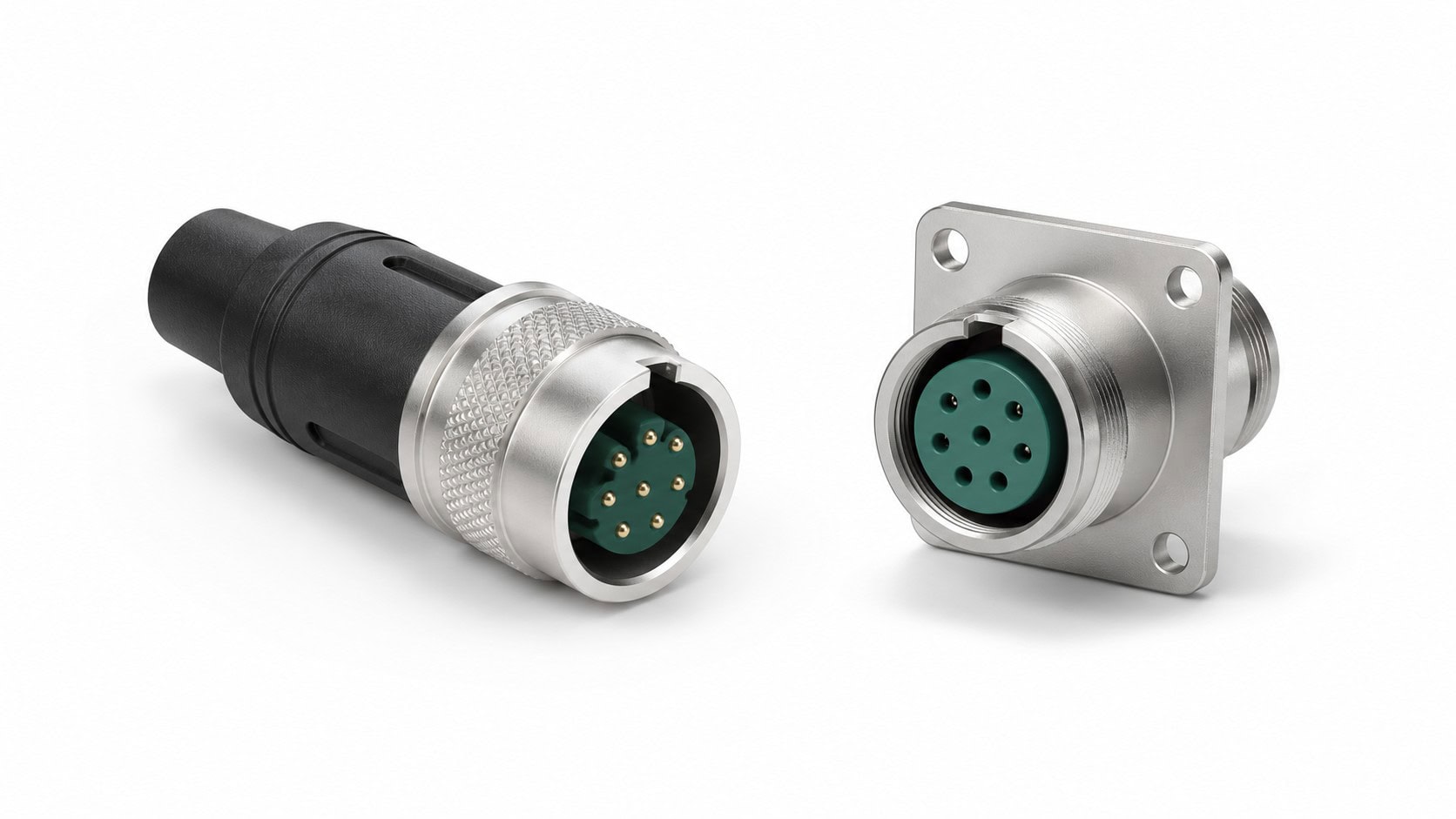
With this many options, the right choice comes down to matching the manufacturer’s strengths to your actual application. A few questions worth asking before you commit:
- What environment will the connector live in? Indoor office network vs. outdoor stage rig vs. factory floor all call for very different levels of ruggedness and IP rating.
- What speed and category do you need? Cat5e, Cat6, Cat6A, and Cat8 connectors aren’t interchangeable — make sure the manufacturer’s product actually supports your required transmission speed and crosstalk performance.
- Do you need shielding? Shielded connectors matter more in environments with high electromagnetic interference or dense PoE deployments.
- Off-the-shelf or custom? If you need private-label, custom colors, or application-specific mounting designs, an OEM/ODM-focused manufacturer will serve you better than a catalog supplier.
- What certifications are required? UL, RoHS, REACH, and IEC/TIA compliance aren’t optional in most commercial or industrial contexts — confirm before you order, not after.
- What’s the manufacturer’s track record in your specific use case? A connector rated for a data center rack isn’t necessarily rated for outdoor deployment, and vice versa. Look for manufacturers with proven experience in your specific application, not just a general reputation.
Final Thoughts
There’s no single “best” RJ45 connector manufacturer — there’s only the best fit for what you’re building. Global names like TE Connectivity, Amphenol, and Molex offer scale, broad catalogs, and dependable quality control for mainstream applications. Specialists like Seetronic and Excellence Wire earn their place by going deep on specific problems — waterproofing, custom OEM work, harsh-environment durability — that the bigger catalogs don’t always solve as well.
The smartest approach is usually to start with your application’s actual requirements — environment, speed, certifications, volume — and work backward to the manufacturer whose specialty matches. That’s a far more reliable filter than picking whichever name shows up first in a search.
Frequently Asked Questions
What is the difference between an RJ45 connector and an 8P8C connector?
Technically, “RJ45” and “8P8C” refer to the same physical connector — an 8-position, 8-contact modular plug. “RJ45” is the more common industry term, while “8P8C” is the more precise technical name often used in official specifications.
Which RJ45 connector manufacturer is best for industrial use?
Amphenol, Seetronic, and Excellence Wire are all strong options for industrial or harsh-environment applications, each offering ruggedized, waterproof, or IP-rated connector lines built to handle vibration, moisture, and temperature extremes.
What’s the difference between shielded and unshielded RJ45 connectors?
Shielded connectors include metal shielding that blocks electromagnetic interference, making them better suited to industrial environments, dense PoE deployments, or areas near high-voltage equipment. Unshielded connectors are lighter, cheaper, and sufficient for standard office and home networking.
Do I need a Cat6A or Cat8 RJ45 connector, or is Cat5e enough?
It depends on your speed requirements and cable runs. Cat5e handles most standard networking needs; Cat6A supports higher speeds and is common in newer commercial installs; Cat8 is built for short, very high-speed data center runs. Match the connector category to your cable and your target transmission speed.
Can I get custom or private-label RJ45 connectors made?
Yes. Several manufacturers, including Seetronic, Excellence Wire, and other OEM/ODM-focused suppliers, offer custom colors, branding, and application-specific designs for businesses that want a private-label cabling product rather than an off-the-shelf part.
Why do waterproof RJ45 connectors matter for outdoor installations?
Standard RJ45 connectors aren’t sealed against moisture or dust, which makes them unreliable for outdoor base stations, stage lighting rigs, or marine and industrial settings. IP65/IP67/IP68-rated waterproof connectors, offered by manufacturers like Seetronic, are specifically engineered to maintain a stable connection in those conditions.
What certifications should I look for in an RJ45 connector manufacturer?
Look for UL, RoHS, REACH compliance, and adherence to TIA/EIA or IEC/ISO cabling standards. These certifications indicate the manufacturer follows recognized safety, environmental, and performance benchmarks rather than cutting corners on materials or testing.
Which company has the largest share of the RJ45 connector market?
TE Connectivity holds the largest individual share, at just over 12% of the global market. Together, the top five manufacturers — including TE Connectivity, Amphenol, and Molex — control roughly 35% of global RJ45 connector sales, with the remaining share spread across a long tail of regional and specialized manufacturers.